Ashorne Hill - Banner 505 Ashorne Hill - Banner 505

Back Local, Back British.

Head Chef Stu Anderson on championing local produce at Ashorne Hill

At Ashorne Hill, food is more than what appears on the plate. For Executive Chef Stu Anderson, it is also about provenance and responsibility. Through the Back British campaign, he is shining a light on the value of supporting local growers, British farmers and trusted regional suppliers, while encouraging a more thoughtful, seasonal approach to food.

For Stu, the timing feels right. With British farmers under growing pressure and food supply chains under scrutiny, he believes kitchens have an opportunity to make a meaningful difference. Backing British produce is not just a purchasing decision; it is a statement about what matters.

“Why not do what we can to highlight British produce and celebrate it?” he says. That simple idea sits at the heart of the campaign.

A campaign rooted in pride and practicality

Stu’s commitment to local and British sourcing is both personal and professional. As a chef, he sees real value in knowing where ingredients come from and in working with produce that reflects the landscape around him. As a kitchen leader, he also understands the operational realities: budgets, supplier checks, availability and consistency all play a part.

At Ashorne Hill, the team’s approach is clear. They look to buy local first, then British, while making sure suppliers meet the right standards and certifications. Cost still matters, but wherever possible, Stu and his team adapt menus to make the most of what is available.

Each week, he reviews supplier updates showing what British produce is in season and on offer. That allows the kitchen to stay agile, swapping ingredients in and out to reflect the best available produce. It is one of the advantages of working in an independent environment where chefs are trusted to use their judgement and creativity.

Card background image - Ashorne Hill

Why local sourcing matters in the kitchen

For Stu, sourcing closer to home can bring a noticeable uplift in freshness and quality. Produce grown nearby reaches the kitchen quickly, often with less handling and fewer food miles involved. That benefits not only flavour, but sustainability too.

The environmental case is an important one. Ingredients imported from overseas often travel long distances by freight, while UK-grown produce can significantly reduce transport mileage. Back British, then, is not only about supporting farmers, it is also about reducing environmental impact where possible-something clearly reflected in the prograess recognised through our ECOsmart results.

But Stu is realistic. The road to fully local sourcing is not straightforward. Seasonality limits what is available at certain times of year, and British produce often comes at a premium. In wholesale supply chains, cheaper imported alternatives can still dominate unless chefs actively ask for British options.


Card background image - Ashorne Hill

“If you don’t ask, you probably won’t get,” he explains, a reminder that change often starts with simple questions.

Strong local partnerships making a difference

A key part of Ashorne Hill’s approach is building lasting relationships with suppliers who share the same values.

One standout partnership is with Cotswold Gold, whose oils and dressings have become a staple in the kitchen. For Stu, their appeal was immediate: a high-quality product made practically on Ashorne Hill’s doorstep. The fact that it is grown, produced and delivered within around 30 miles makes it a perfect fit for the Back British ethos.

The team has also developed a strong relationship with Matthews Cotswold Flour. Moving beyond standard wholesale flour options has opened up far more creative potential in the pastry section, where different flours are used to enhance breads and cakes in more specialised ways. It is a partnership that has directly improved the kitchen’s offer and helped elevate quality.

Card background image - Ashorne Hill

Midland Foods is another valued supplier, providing British and Irish poultry, lamb, beef and pork. Stu speaks highly of their standards, support and transparency, describing the relationship as one built on trust and shared commitment.

These partnerships show that local sourcing is not simply about geography. It is also about product quality, a lasting collaboration and suppliers who really understand the needs of a professional kitchen.

Creativity through seasonality

One of the most striking themes in Stu’s approach is creativity. At Ashorne Hill, there is no rigid, fixed menu dictated by a head office. Instead, the team works from planners and uses skill and seasonal opportunity to shape their dishes.

That freedom means a simple dish, like a roast beetroot salad, can appear several times over a few months, but each version will be different, depending on who prepares it and which ingredients are at their best. The result is a dining experience that stays fresh for guests and gives chefs room to grow.

It also keeps craftsmanship alive. Stu is passionate about helping chefs develop their skills rather than simply following recipe cards. In his view, kitchens that rely too heavily on standardisation can drain creativity and reduce cooking to repetition. At Ashorne Hill, the aim is the opposite: to empower chefs to adapt and take pride in what they produce.

That said, creativity is balanced with control. Portion planning and internal systems help the team manage consistency and waste while still allowing flexibility on the plate.

Card background image - Ashorne Hill

The challenge of changing expectations

The Back British campaign also touches on a wider issue: customer expectations. Modern consumers have grown used to seeing almost every fruit and vegetable available all year round, regardless of season. Supermarkets and large distributors have made that normal, even when it relies on imports from across the world.

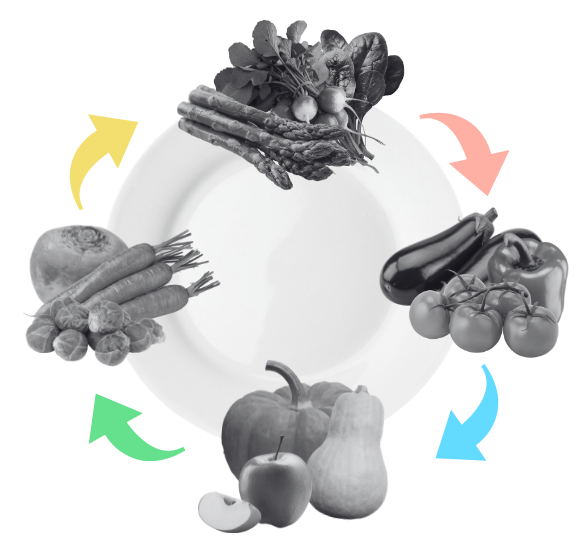
Stu believes this has weakened people’s understanding of seasonality. Strawberries, tomatoes, asparagus and cauliflower are often expected year-round, even though traditional growing seasons tell a different story. Reversing that mindset will take time.

That is why education has an important role to play. By talking more openly about seasonality and sustainability, hospitality businesses can help customers understand why certain ingredients may not always be available, and why that is not a drawback, but a positive step towards better food systems.

Card background image - Ashorne Hill

A journey shaped by experience

Stu’s passion for fresh, local produce has deep roots in his own journey as a chef. After studying at Stratford College, he began his career at Gleneagles in Scotland, where he worked with exceptional local ingredients, from seafood and game to mushrooms and salmon. That early experience left a lasting impression, showing him the power of great produce and the excitement of working closely with what the surrounding area had to offer.

Later, working on a luxury cruise line exposed him to a very different model, with premium produce flown around the world to meet demand. Seeing both ends of the spectrum helped shape his perspective and reinforced his appreciation for fresh, local food and the creative possibilities it brings.

Card background image - Ashorne Hill
A slow-burn mission with long-term impact

Stu is clear that Back British is not something that can be achieved overnight. It is a long-term mission, a “slow burn”, that depends on chefs, suppliers, customers and policymakers all playing a part.

There has already been progress. Ashorne Hill’s meat sourcing is now firmly rooted in British supply, and the kitchen continues to push suppliers for greater local availability across other categories. The next step is to keep building visibility around these choices and bring customers into the conversation.

For Stu, the goal is simple: more awareness, more demand for British produce and, over time, better affordability and availability.

At Ashorne Hill, Back Local, Back British is not a passing trend. It is a practical commitment, shaped by craft and conviction, and driven by a belief that supporting what is on our doorstep is better for our plates, our communities and the future of food.