Ashorne Hill - Banner 505 Ashorne Hill - Banner 505

FRICTION AS FUEL

Using conflict to spark creativity

Conflict often feels like something to extinguish. Sparks fly, tensions flare, and leaders rush to put out the fire before it spreads. But fire isn’t always destructive. With the right conditions, it can warm, illuminate, and even power transformation.

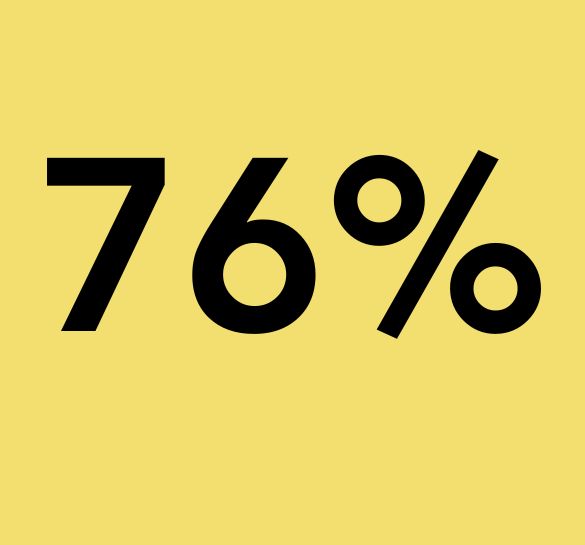
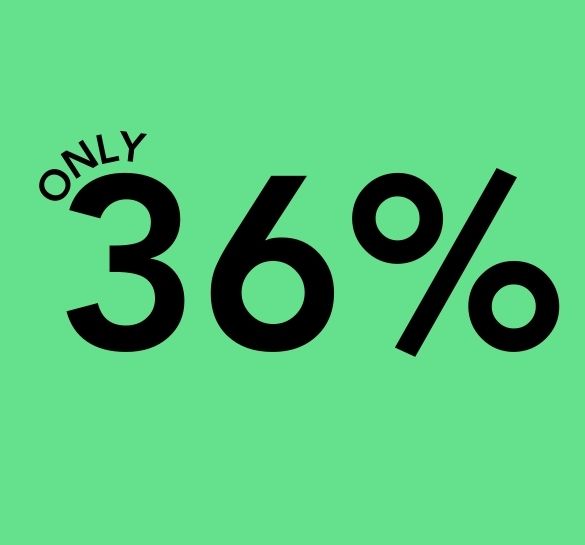
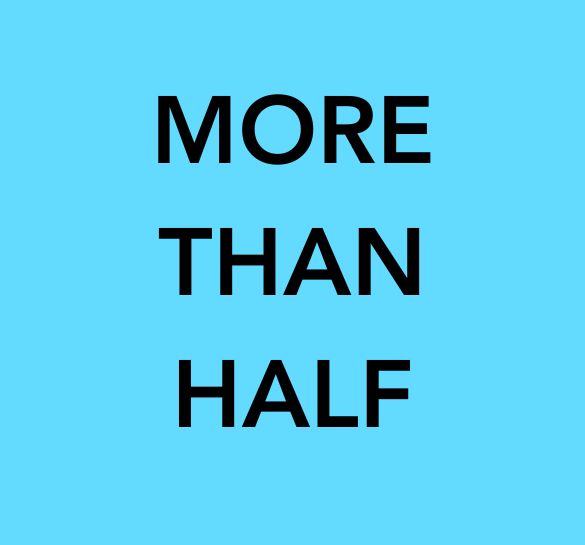
The same is true of conflict. Managed poorly, it burns out trust and creativity. The same sparks that create conflict can also fuel innovation; it all depends on the environment leaders create. And despite years of investment, the environment leaves much to be desired. While 81% of employers believe they handle bullying and harassment effectively, only 36% of employees affected by conflict feel their issues were resolved. A 2025 HRDirector poll went further: 76% of employees believe their employer does not resolve workplace conflict effectively.

The reality is clear: Conflict is not going away. The question is whether it will burn organisations down or light the way to new ideas.

FIRE AS A MODEL FOR INNOVATION AND CONFLICT

Fire needs three elements: fuel, oxygen, and heat. Remove any one, and the flame dies. This is the same for both conflict and innovation.

Fuel: Divergent Thinking

Difference is what drives both conflict and innovation. New ideas can not be driven without fresh perspectives and divergent thinking. Even sharp disagreements can provide raw fuel where the other elements are in place. Without this fuel, teams slip into groupthink, where the safest idea is the only idea.

Card background image - Ashorne Hill

Oxygen: Opportunity

Fuel only burns when there is oxygen. In organisations, this means providing the time, space, resources and structures for ideas to breathe, for others to voice their opinions and for open dialogue. Forums, collaborative workshops, or intentional practices like dialogue circles provide the oxygen that fuels the fire of both conflict and creativity.

Card background image - Ashorne Hill

Heat: Environment

Finally, every fire needs heat. In the workplace, this is the environment, and it is the determining factor of whether a spark fuels the flame of creativity or the destructive conflict that hampers it. Where psychological safety is strong, task-focused disagreements and divergent thinking energise teams and spark innovation. Where it is weak and poorly managed, the spark can lead to hostility, conflict, and burnout.

Card background image - Ashorne Hill

WHEN

CONFLICT

CONSUMES

INSTEAD OF

CREATES

Card background image - Ashorne Hill

Left unmanaged, conflict rarely fuels progress. It smoulders, drains energy, and erodes trust. Relationship conflict – clashes of personality, style, or ego – is especially corrosive, leaving teams exhausted and innovation stifled. Even task conflict can sap performance if the environment is hostile.

But under the right conditions, the same spark that stifles can transform. Research shows that when teams feel psychologically safe, disagreements can ignite creativity rather than resentment, driving more open, honest, and innovative dialogue. dialogue.

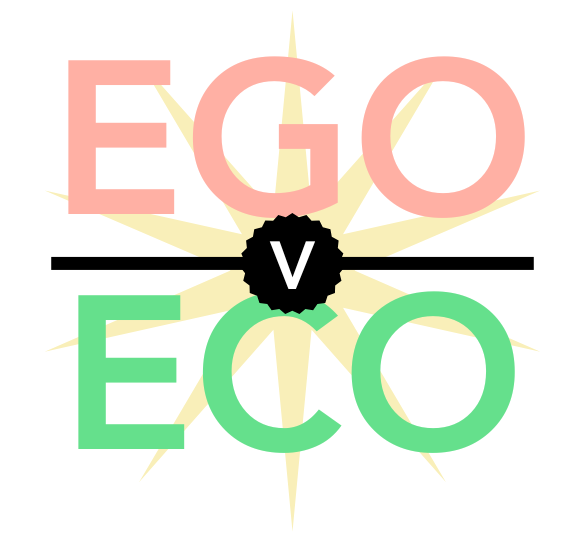
We can see this difference in practice across sectors. In finance and professional sectors, more than half of professionals have reported toxic behaviour caused by bullying and coercive “ego leadership” cultures. By contrast, “eco leadership” models which emphasis inclusion, empowerment and dialogue create the environment needed to ignite creativity and drive innovation.


The lesson is simple: The elements of conflict are neutral. What matters is what we do with them; it’s this that determines whether conflict consumes or creates.

Employees believe their employer does not resolve workplace conflict effectively (HR Director, 2025).

Of employees affected by conflict feel their issues are resolved, despite 81% of employers believing they manage it effectively (CIPD, 2024).

Of professionals in finance and professional services have experienced or witnessed coercive behaviour linked to “ego leadership” cultures (Everyone Matters, 2025).

REFRAMING CONFLICT AS DIALOGUE

Even the word conflict can trigger in some of us a fight or flight instinct, but if we accept that some conflict is inevitable and that some conflict is helpful, then it is necessary for us to reframe it so that we can engage with it without feeling threatened. Conflict should not be seen as a battle to win or a problem to avoid, but as dialogue, a shared process of discovery. Emerging practices are already pointing the way:

Appreciative Inquiry

Appreciative Inquiry takes a different starting point from most conflict interventions. Instead of starting from the problem and looking for blame, it widens the question to what is working, what do we value, and how can we build on it? The idea is to lower defensiveness and create an open space for dialogue. It helps people to see that disagreement isn’t just a problem to fix but a possibility to explore.

Psychometrics

Psychometrics have been used for decades, but many organisations are now reframing their value. No longer just a tool for recruitment or leadership development, they are increasingly applied to understand communication styles, team dynamics, and sources of tension. Used in this way, psychometrics can help teams channel energy more productively and create the conditions for constructive dialogue

Somatic Techniques

Somatic Techniques can help with managing the physical and emotional responses to conflict, recognising the role of body and using practices like breathwork, posture awareness, and tension release to regulate emotions in heated moments. By grounding individuals physically, they create space for clearer thinking and more constructive dialogue

Conflict Coaching

Conflict Coaching sessions can help individuals reflect on their emotional triggers and response patterns. Rather than solving a single issue, this can help them build long-term capability and create shared meaning

WHAT LEADERS CAN DO

Leaders play a central role in shaping the conditions under which conflict emerges and develops. A few practical steps stand out:

  • Normalise constructive disagreement: Assign devil’s advocate roles, rotate perspectives, and explicitly invite challenges to the status quo. It prevents groupthink and signals that divergent opinions are valued.
  • Invest in psychological safety: Creating a safe environment where team members feel comfortable sharing their opinion is essential. Train managers to respond to disagreement with openness and reward those who address issues early rather than punishing them.
  • Provide the oxygen: Carve out time and space for creative dialogue. Innovation rarely emerges from one-directional, rushed meetings. It grows in environments where divergent ideas can be expressed without penalty.
  • Model eco-leadership: Move away from command-and-control or ego-driven cultures. Leaders who model inclusive behaviours – listening, questioning and admitting when they don’t have the answer – create climates where conflict becomes dialogue.
Card background image - Ashorne Hill
FROM FRICTION TO CREATIVITY

At Ashorne Hill, we help organisations create the conditions where conflict fuels innovation rather than drains it. Through our Conflict to Cohesion workshop, we equip leaders with the skills to reframe tension as dialogue and build psychologically safe environments. And for teams ready to take the next step, our Innovation Igniters workshop channels that energy into breakthrough ideas and lasting impact.

The challenge isn’t to put the fire out, it’s to tend it wisely. If you’re ready to transform friction into fuel for growth, Ashorne Hill can help you ignite the change

REQUEST A CALL BACK...

If you’d prefer to have a chat with a member of our L&D team to find out more, get in touch to arrange a call back.

Card background image - Ashorne Hill
Further Reading and References

CIPD. (2024, September 18). Only around a third of employees feel the conflict they experienced at work has been fully resolved. OnRec. https://www.onrec.com/news/statistics/only-around-a-third-of-employees-feel-the-conflict-they-ex[1]perienced-at-work-has-beenthe

HRDIRECTOR. (2025, March 3). Poll delivers damning result on conflict resolution. theHRDIRECTOR. https://www.thehrdirector.com/business-news/the-workplace/thehrdirector-poll-delivers-damn[1]ing-result-conflict-resolution/

de Wit, F. R. C., Greer, L. L., & Jehn, K. A. (2012). The paradox of intragroup conflict: A meta-analysis. Journal of Applied Psychology, 97(2), 360-390. https://www.researchgate.net/publication/51572721_The_Paradox_of_Intragroup_Conflict_A_Meta[1]Analysis

De Dreu, C. K. W., & Weingart, L. R. (2003). Task versus relationship conflict, team performance, and team member satisfaction: A meta-analysis. Journal of Applied Psychology, 88(4), 741-749. https://web.mit.edu/curhan/www/docs/Articles/15341_Readings/Negotiation_and_Conflict_ Management/De_Dreu_Weingart_Task-conflict_Meta-analysis.pdf

Farh, J.-L., Lee, C., & Farh, C. I. C. (2010). Task conflict and team creativity: A question of how much and when. Journal of Applied Psychology, 95(6), 1173-1180. https://www.researchgate.net/publication/45706512_Task_Conflict_and_Team_Creativity_A_ Question_of_How_Much_and_When

Everyone Matters. (2025, February 17). Coercive behaviour at City firms still a ‘massive concern’. Financial News. https://www.fnlondon.com/articles/coercive-behaviour-at-city-firms-still-a-massive[1]concern-34e1104b

theHRDIRECTOR. (2025, March 3). Poll delivers damning result on conflict resolution. theHRDIRECTOR. https://www.thehrdirector.com/business-news/the-workplace/thehrdirector-poll[1]delivers-damning-result-conflict-resolution/

World Economic Forum & Oxford Saïd Business School. (2020, March). From ego to eco: Leadership for the fourth industrial revolution. https://www.sbs.ox.ac.uk/sites/default/files/2020-03/From%20Ego%20to%20Eco%20-%20 Leadership%20for%20the%20Fourth%20Industrial%20Revolution.pdf